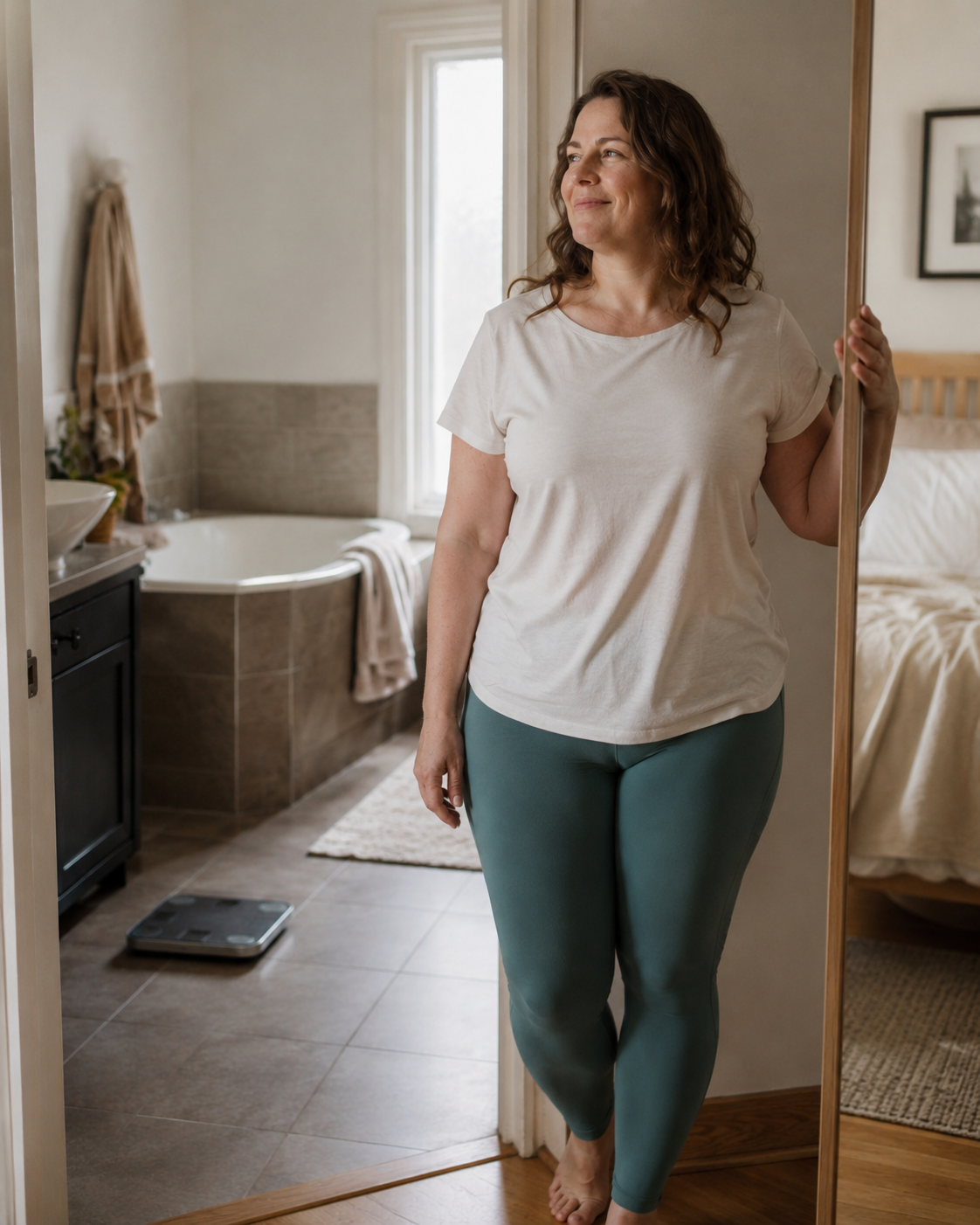
There was a time when I let a small square on my bathroom floor dictate my mood for the entire day.
When I woke up, I actually felt pretty good.
The sun might have been shining brightly outside.
I might have slept well last night.
Even my hair was, for once, cooperating.
Then, I stepped onto the scale.
A number appeared.
Suddenly, everything changed.
If the number was lower than I expected, I’d feel like I’d had a very successful day.
Walking into the kitchen, it felt as though I’d already accomplished something worthy of praise—even before I’d had breakfast.
If the number was higher than I expected, I’d feel instantly disappointed.
I completely ignored the fact that my body naturally fluctuates due to diet, hydration, time of day, and many other daily factors.
That number felt like a verdict.
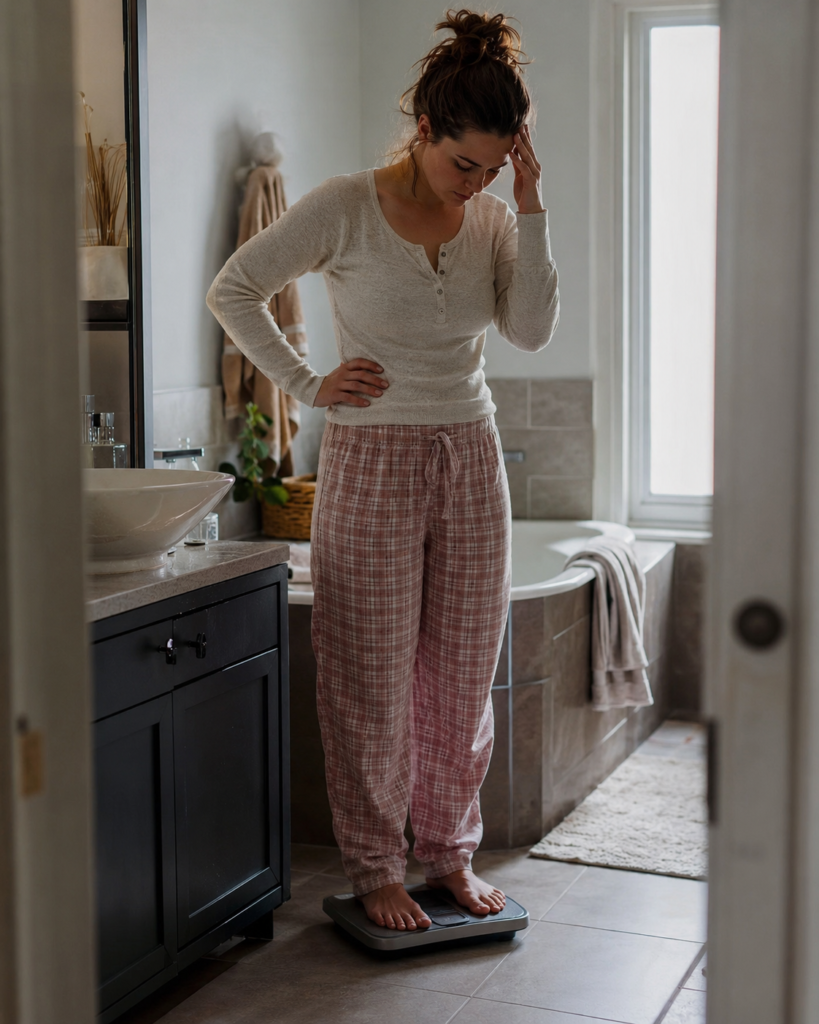
What bothers me the most is that it can rewrite my self-image in a matter of seconds.
Before stepping on it, I was just an ordinary woman getting ready to start a new day.
After stepping on it, I suddenly became someone who was either “doing well” or “doing poorly.”
That really gives a household appliance far too much power.
At first, I weighed myself simply because I wanted to look after my health.
But gradually, health turned into a constant self-assessment.
Eating became a test.
Exercise became a form of atonement.
A meal with friends at a restaurant was no longer a joyful experience, but something I had to figure out how to “make up for” the next day.
I divided ordinary choices into many moral categories.
Good.
Bad.
Self-disciplined.
Lazy.
Successful.
Failed.
This way of thinking didn’t make me any healthier.
It just made me very tired.
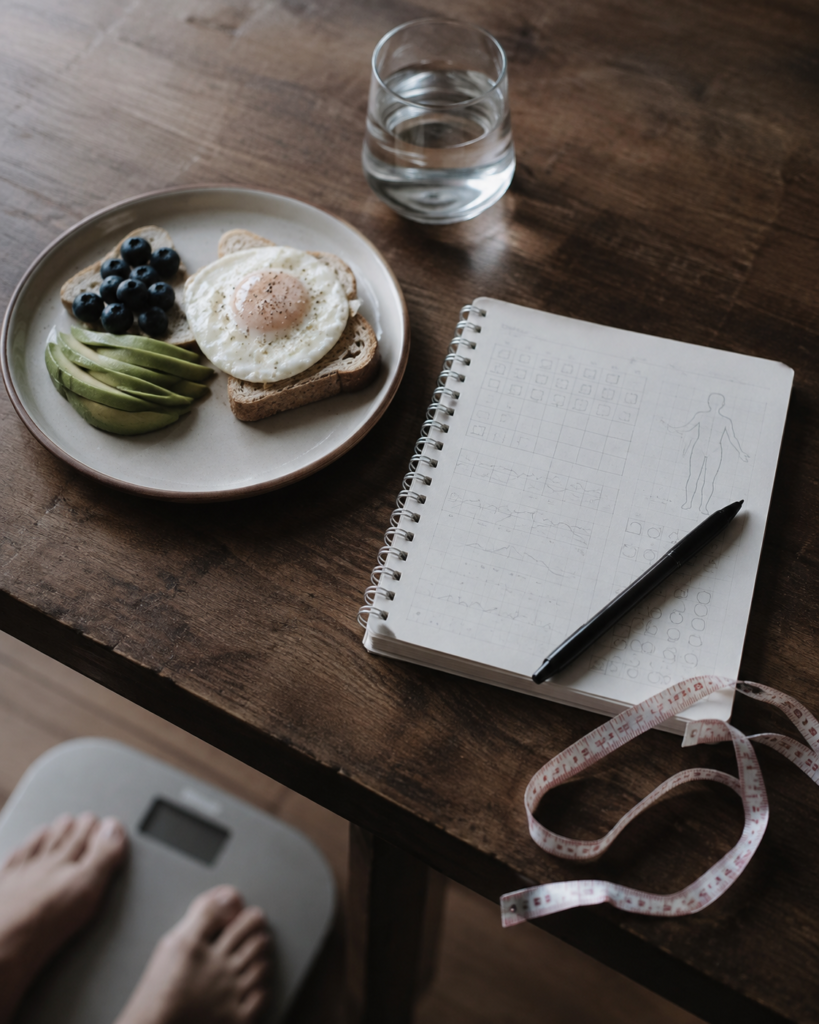
So, I put my scale away.
I didn’t dramatically throw it out the window.
That might have scared the neighbors.
I just tucked it away out of sight for a while and decided to focus on some other things.
How have I been sleeping lately?
Do I feel truly satisfied after meals?
Have I been getting regular exercise?
Do I have enough energy in the afternoon?
When I carry my shopping bags up the stairs, do I feel like I’ve just finished an Olympic event?
Weight can be one metric for understanding your body, but it’s not the only one.
Our physical condition is influenced by many factors, including sleep, stress, diet, activity, physical health, and living environment.
A single number can’t explain everything on its own.
Once I stopped passing judgment on myself first thing every morning, I began to take a more honest look at my habits.
I realized that when I’m busy at work, I often forget to eat lunch, and by dinnertime, I feel like I could eat the table itself.
I realized that when I don’t sleep well, I crave convenient, quick, and strongly flavored foods the next day.
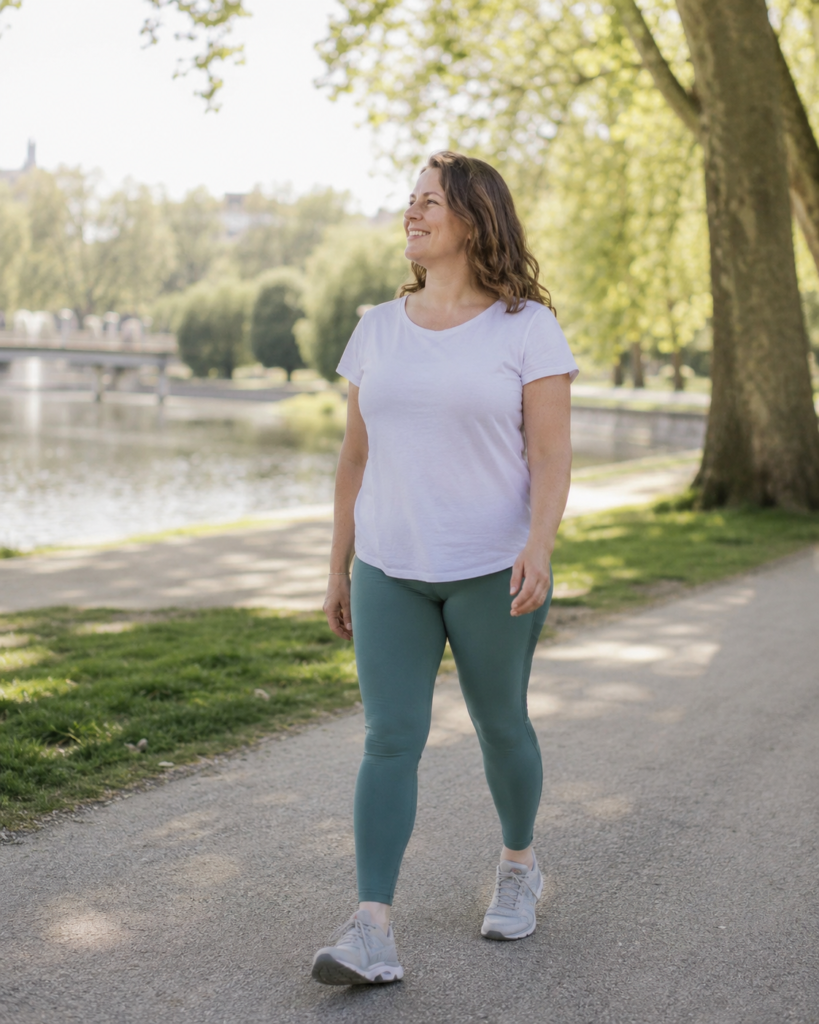
I also realized that once I stopped thinking of walking as a way to “burn off what I’d eaten,” I actually really enjoyed taking walks.
Not every healthy choice has to immediately change how I look.
Going for a walk can lift my spirits.
A relatively balanced lunch can reduce my afternoon fatigue.
Going to bed early can make tomorrow a little easier.
Even if these benefits aren’t visible, they still count.

I’m not saying that body image has suddenly become a simple matter.
Some mornings, I still try on three different outfits, then wonder if all my pants have conspired against me.
Some photos also make me instantly very critical.
We live in an environment that constantly reminds women they should be thinner, smoother, younger—and preferably never too hungry.
But I’m learning that taking care of my body and hating my body aren’t the same thing.
I can make changes because I want more stamina, energy, comfort, and long-term health.
I don’t need to start by hating myself.
The scale is still at home.
Sometimes I use it.
But now it’s just a piece of information—no longer a daily performance review.
It has no right to decide whether I should eat breakfast, whether my outfit looks good today, or whether I’m off to a good start.
That role is far beyond its scope.
Leave a Reply