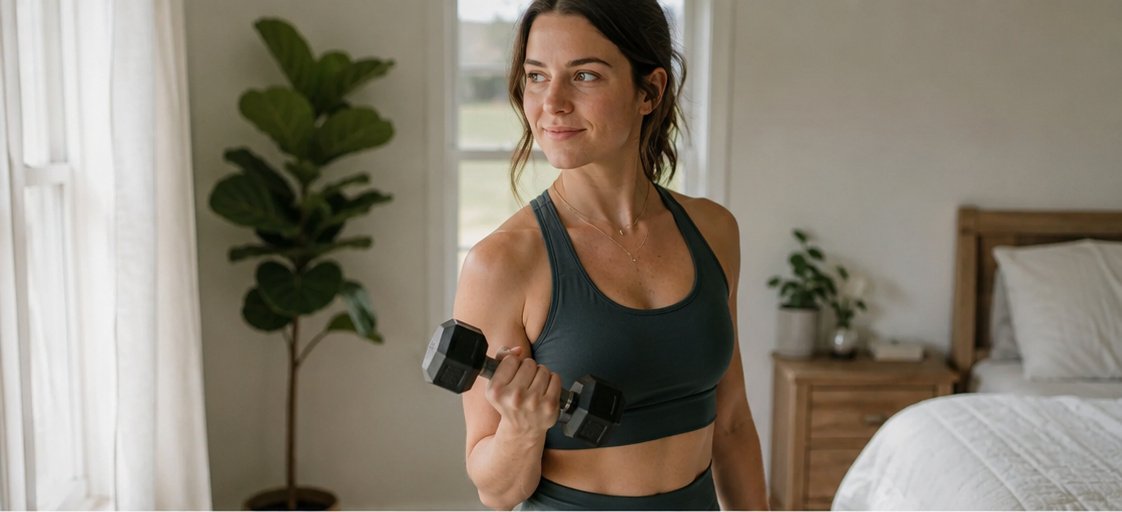
The first time I seriously considered strength training wasn’t at the gym.
It was in a supermarket parking lot.
That day, I tried to carry all my shopping bags home in one go.
Because making a second trip was clearly an unacceptable failure.
I had several bags hanging from my left hand.
My right hand was also full.
I also had a bag slung over my shoulder.
Halfway there, one of the bags started to slowly slip down.
I couldn’t put anything down, nor could I free a hand to adjust it.
So I walked the rest of the way in a very unnatural posture.
From a distance, I probably looked like a penguin struggling to protect its food for the winter.

Whenever I used to think of strength training, images of massive barbells, complicated machines, and people who could move furniture without breaking a sweat would pop into my head.
I don’t belong in that world.
I just want to be able to lift shopping bags without feeling like I’m in an unexpected competition.
I want to feel more confident when putting my suitcase on a shelf.
I want to be able to stand up from the floor without having to negotiate with my knees first.
I finally realized that strength isn’t just about what you do in the gym.
It’s connected to so many aspects of everyday life.
Lifting things.
Pushing doors.
Moving boxes.
Climbing stairs.
Staying steady.
And when I rearrange a table at home, I don’t have to wait for an imaginary “stronger person” to show up.
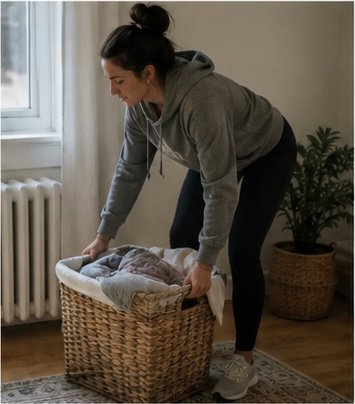
So, I started with very simple exercises.
Wall push-ups.
Sitting down and standing back up.
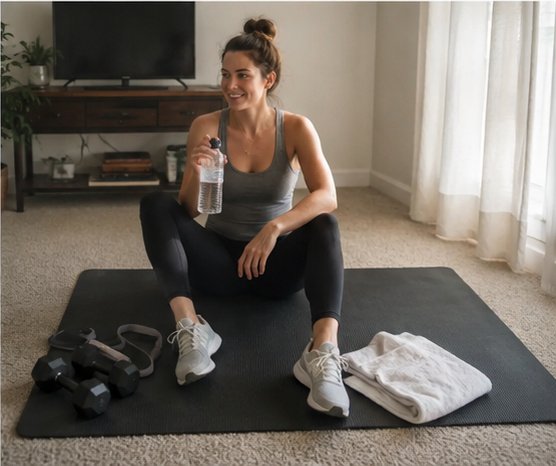
Using light dumbbells.
Doing a few basic exercises with resistance bands.
Sometimes I’d work out for ten or so minutes.
Sometimes even less.
At first, I was even worried that this kind of workout wasn’t “proper” enough.
No one clapped.
There was no music suddenly building to a climax.
And I didn’t immediately start looking like the people in sports commercials.
But official physical activity guidelines recommend that adults not only engage in aerobic activity each week but also perform muscle-strengthening activities that target major muscle groups at least two days a week.
I didn’t need to lift heavy weights right from the start.
What I needed was to learn the correct form, choose resistance levels that were right for me, and gradually increase the challenge.
A few weeks later, I hadn’t undergone any dramatic physical transformation.
But some everyday things started to feel different.
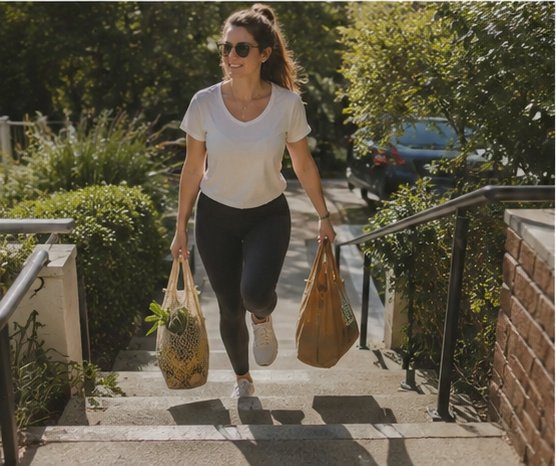
My shopping bags didn’t feel as heavy as they used to.
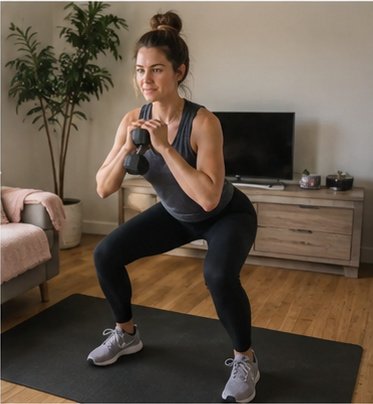
When carrying the laundry basket up the stairs, I didn’t have to stop halfway to rethink my life.
When getting up after sitting for a long time, I felt more steady on my feet.
These changes were small.
So small that they wouldn’t appear in an ad for a “life-changing transformation.”
But I could feel them every day.
I’ve started to like this feeling.
Not because it makes me smaller.
But because it makes me feel more capable in my own body.
Health isn’t just about how much weight you lose.
Sometimes, it’s also about gaining a little strength.
Even now, I still wouldn’t call myself a fitness expert.
Sometimes I skip a workout.
Sometimes, right after finishing a set, I immediately start wondering why I even need to do a second one.
If I experience pain, get injured, or have a health issue that might affect my exercise, I know I should consult a professional first—rather than forcing myself to finish an online workout.
Strength training isn’t about proving that I’m stronger than anyone else.
It simply helps me live more comfortably in my own body.
My goal in training isn’t to lift a huge rock on the beach.
Although if life suddenly demanded it, I hope I could at least stay calm.
The real goal is much simpler:
To be able to lift the things in my life.
To be able to support myself.
To continue having more independence and choices as I get older.
After I started strength training, the first thing that became easier wasn’t the body in the photos.
It was the day-to-day life I actually need to navigate.
Leave a Reply