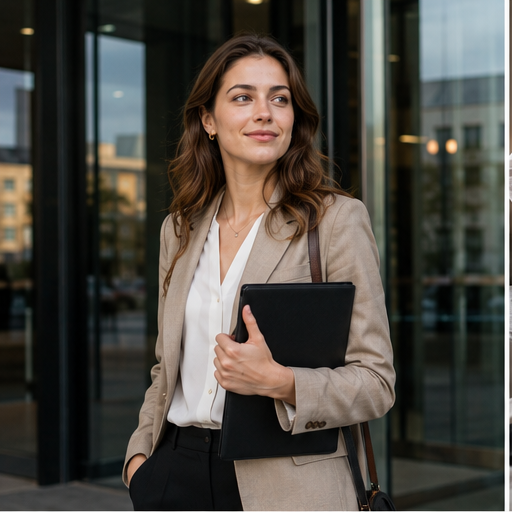
A few years ago, I had a very important job interview.
It was a job I really wanted.
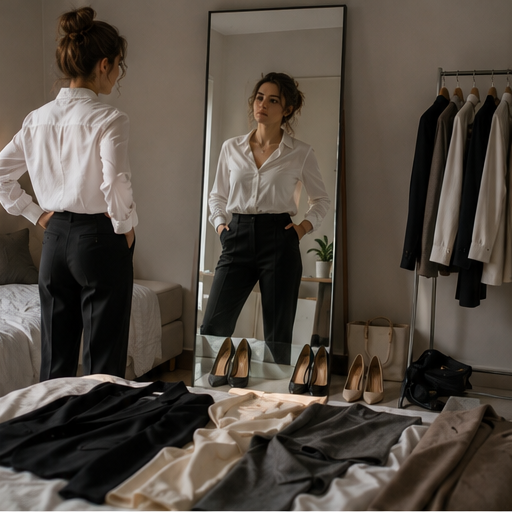
A week before the interview, I started researching the company, the position, the industry, and “what a woman who seems suited for this role should wear.”
That last question took up most of my time.
I tried on a suit.
Then I tried on a skirt.
I changed shoes three times.
One pair looked very professional, but as soon as I put them on and walked from the bedroom to the living room, I began to doubt my career choice.
I also bought a blouse I would almost never wear otherwise.
It was formal.
Very formal.
So formal that I looked like I was about to announce a bank’s quarterly earnings.
I have a very clear picture of my ideal candidate.
She never gets nervous.
She speaks concisely.
Her hair doesn’t act up no matter what the weather is like.
Her shoes don’t rub her feet.
She knows her career plan for the next five years and can articulate it convincingly in thirty seconds.
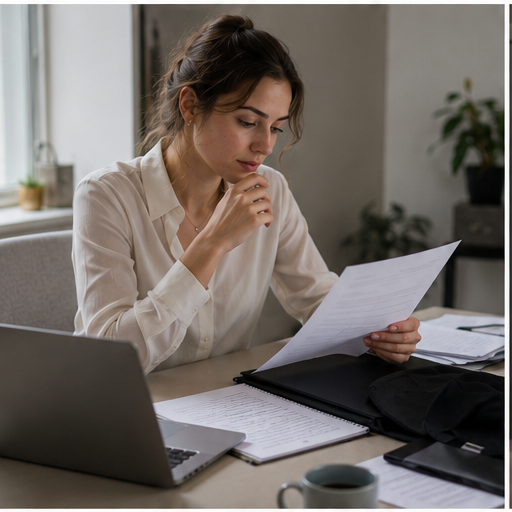
In contrast, the real me was still searching online the night before the interview:
“Where should I put my hands during an interview to look natural?”
The search results didn’t really solve the problem.
Some suggested placing them on the table.
Others suggested folding them naturally.
Still others suggested using appropriate hand gestures.
The next day, my hands were probably more nervous than I was.
On the day of the interview, I put on that unfamiliar shirt and those shoes that looked a bit too formal.
Standing in front of the mirror, I certainly looked professional.
But I also didn’t quite feel like myself.
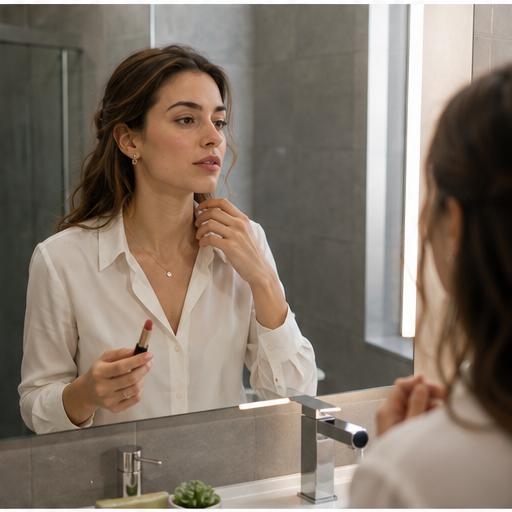
Before walking into the office building, I freshened up in the restroom.
I unbuttoned the top button of my shirt—the one that was making it hard to breathe.
I switched to the more comfortable pair of shoes from my bag.
I wiped off the lipstick that was too bold and reapplied my usual shade.
These were small changes.
But the person in the mirror finally felt familiar again.
Once the interview actually started, I was still nervous.
I answered the first question a little too quickly.
Halfway through the second question, I paused to rephrase my answer.
But after a few minutes, I gradually got into the groove.
I talked about past projects I’d completed.
I shared a case where I failed and how I later corrected it.
When asked a question I wasn’t sure about, I didn’t pretend to know the answer; instead, I explained how I would go about finding the answer and moving forward with the work.
I didn’t come across as the ideal candidate who’s always calm and perfect.
I simply tried my best to clearly demonstrate my actual abilities, experience, and way of thinking.
A few days later, I received a job offer.
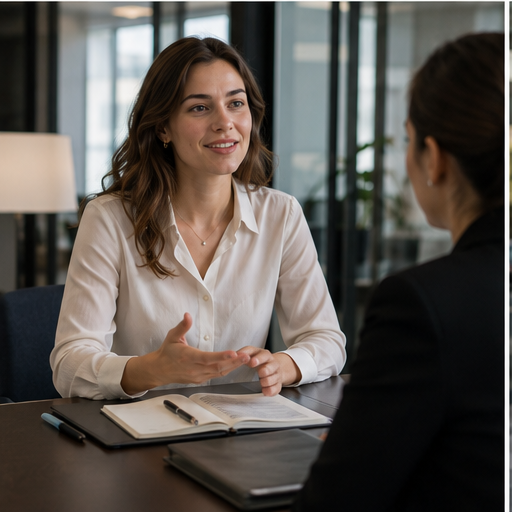
Later, I came to realize that professional appearance is, of course, important.
Appropriate attire conveys respect and helps us get into the right mindset.
But “professionalism” shouldn’t mean dressing up as someone you’re not.
The best outfit for an interview isn’t the one that looks the most authoritative.
It’s the one that allows you to breathe, walk, and sit comfortably—and focus on the conversation.
A truly appropriate professional appearance doesn’t mean erasing all your personal traits.
Rather, it’s about letting others see a clear, reliable, and authentic version of yourself—without distracting them.
Now, I still take great care in choosing my outfit for important occasions.
But I no longer try to dress up as some imagined “successful person.”
I wear what makes me feel put-together, comfortable, and confident.
Because interviews are nerve-wracking enough as it is.
There’s really no need to let a pair of shoes add to the difficulty.
Leave a Reply